What Sets a Hardscape Built to Last Apart From One Destined to Fail?
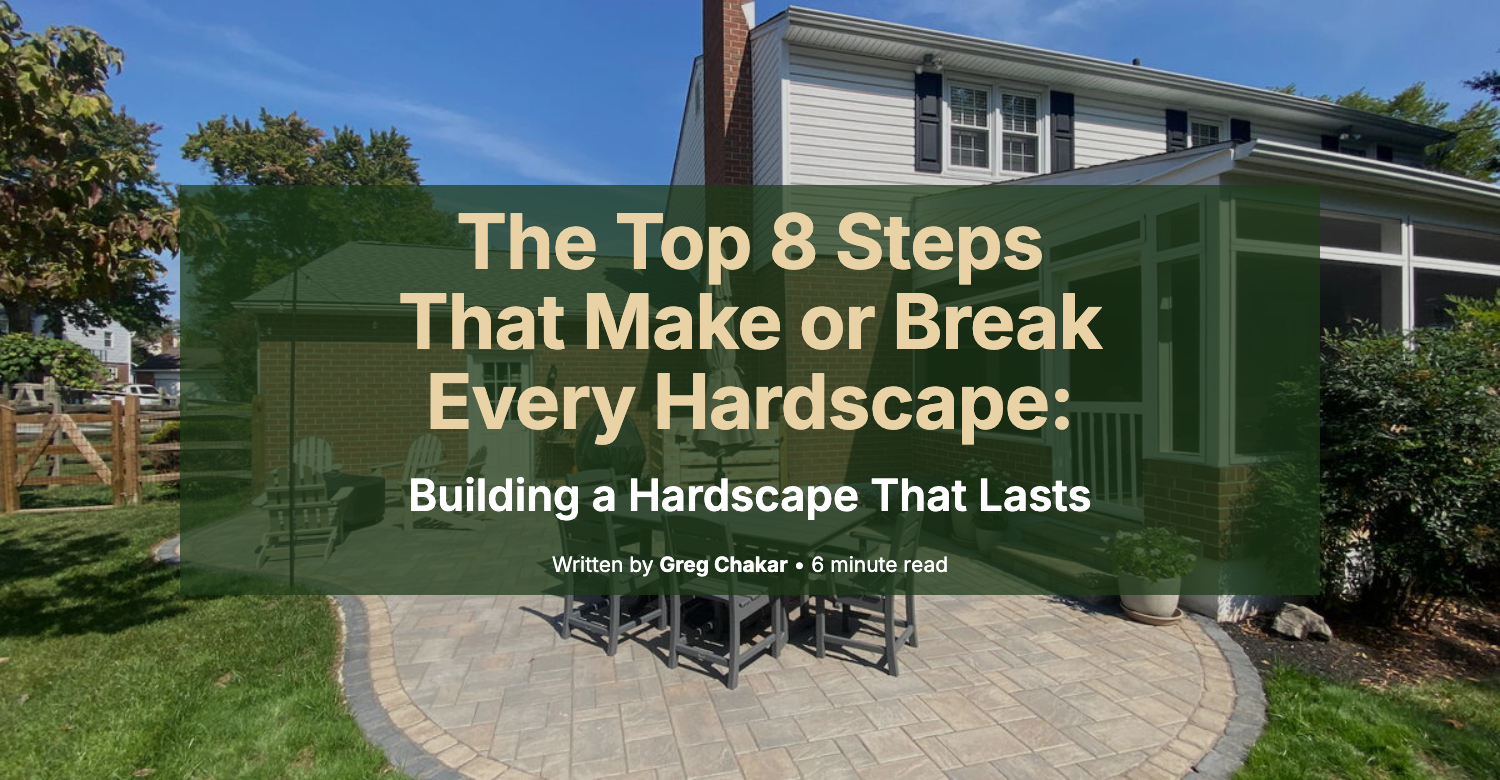
What sets a hardscape built to last apart from one destined to fail?
The path to a hardscape built to last as long as the memories created there.
As you may know, Arborvine Landscaping offers an unmatched 10 year structural warranty on our hardscape installations. We are confident in our process, using the best industry practices, state of the art equipment and a workforce with a combined 150+ years of experience. Check out this blog on the top 8 steps that make or break every hardscape installation.
1. Dig Depth
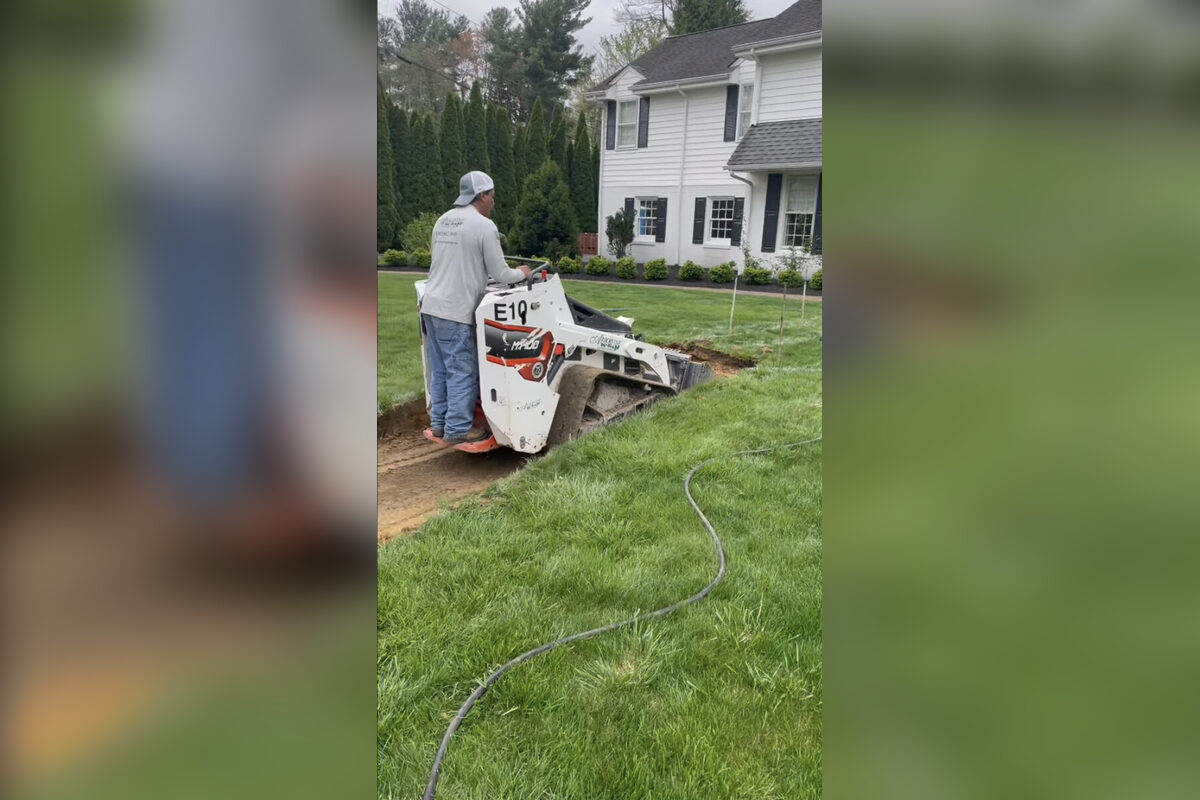
In northern climates, like Delaware & Pennsylvania, hardscapes must be designed to endure the multiple freeze and thaw cycles we see each winter and cater to the difficult clay soil conditions. For a standard pedestrian hardscape installation, a minimum depth of 10” must be excavated to allocate space for the proper base. In commercial or vehicular applications, excavation must be deeper to withstand the additional weight & use.
After excavation, the soil conditions must be evaluated as not all soil is suitable for a hardscape to be built on top. Sometimes, additional excavation or soil stabilization is needed. A contractor that possesses this knowledge is crucial. At Arborvine, we hold ICPI certifications to ensure our team has the right knowledge and skill to build projects that last.
2. Geotextile Underlayment
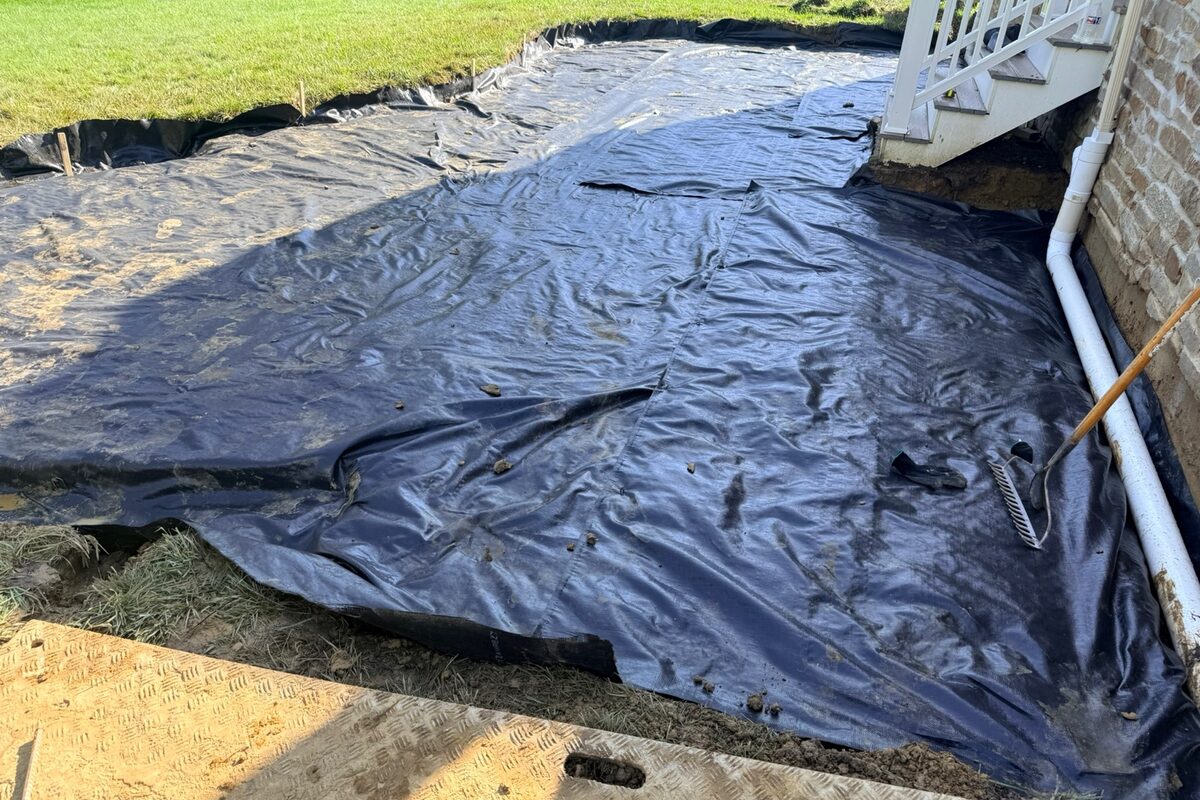
Every hardscape must start with a layer of geotextile fabric to separate the sub base from the base layer. This fabric serves as a separation between the soil & gravel base. What this does is it prevents the base layer from settling into the subgrade over time, which can cause settlement of the hardscape, especially in clay soils.
This same fabric is used for our drainage & wall systems to encase drainage stone & piping, allowing water to drain without soil or sediment blocking the drainage system.
Skipping the geotextile is one of the quickest ways to a premature failure, yet it’s one many local contractors are skipping.
3. Drainage
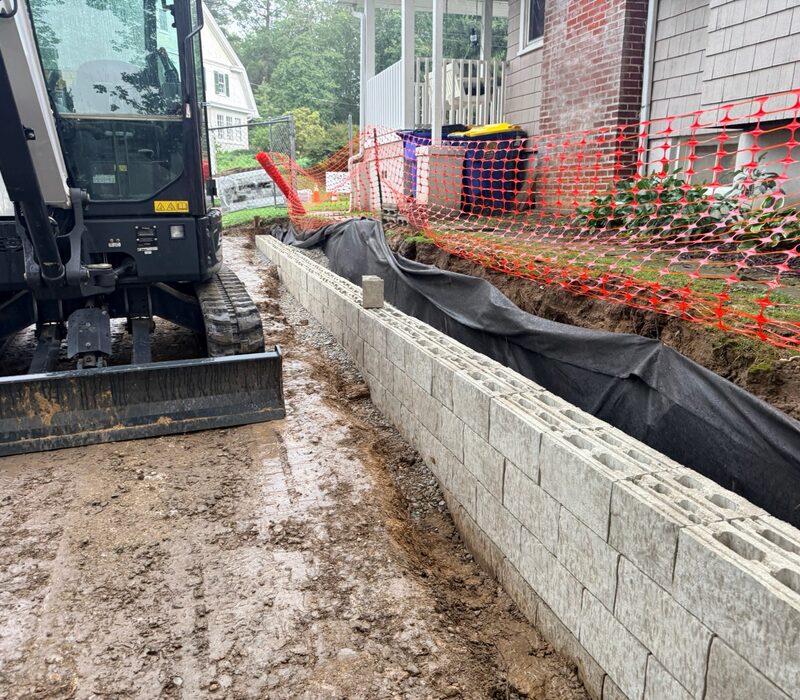
Drainage considerations are one of the biggest aspects to consider when planning a hardscape project. It is imperative that the contractor is knowledgeable on all aspects of grading & drainage systems. At Arborvine, as NDS certified drainage contractors, we are well trained and experienced in even the most complex drainage solutions.
Each retaining wall, walkway & patio built by us is equipped with a subsurface drainage system. This perforated pipe is built in the lowest point of the base & will collect any water that finds its way under the hardscape. This water, if trapped, can lead to devastating damages of the hardscape, from freeze and thaw separation to premature settling.
We also ensure to bury & extend all downspouts in proximity of the hardscape. All walkways & patios are properly pitched to run water away from the home or other structures. When grades are tight and options are limited, our crew will incorporate catch basins or channel drains to manage water without affecting the usability of the space.
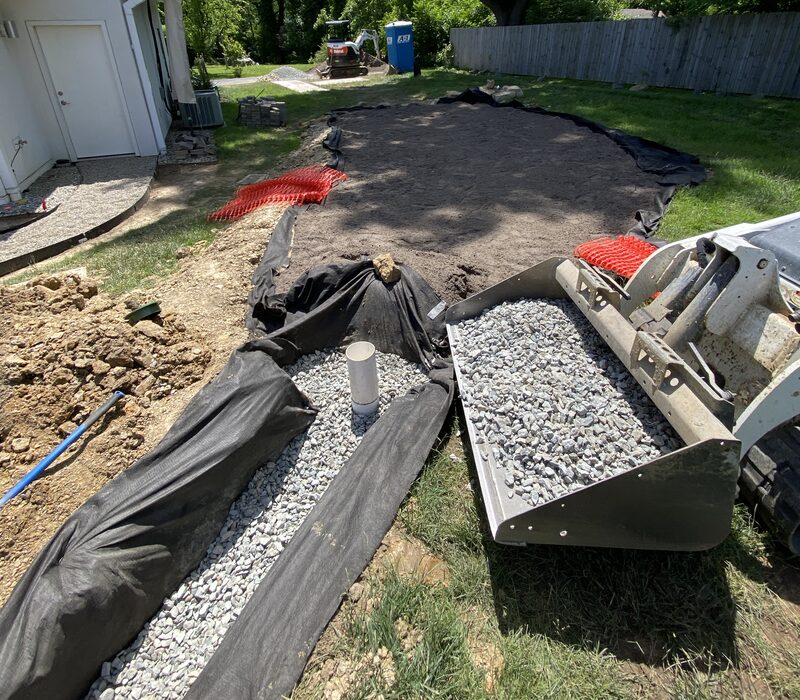
4. Base Depth, Compaction & Overbase
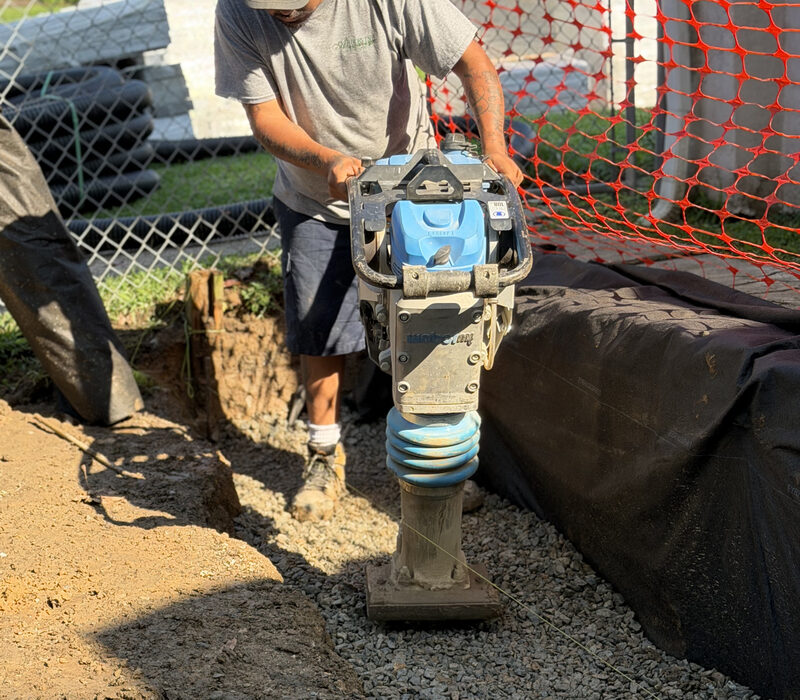
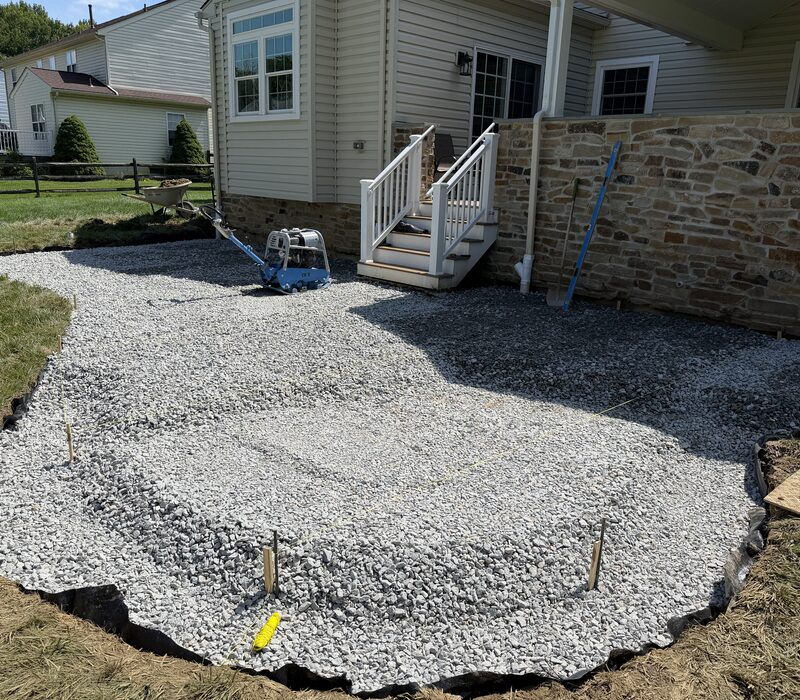
A minimum base depth of 6” should be installed for pedestrian applications, and this base must be compacted fully to prevent future shifting.
A key aspect to the longevity is overbasing the installation. Whether a walkway or patio, our team installs the base layer 6” past the edge of the paver surface on all sides that do not abut directly to a structure. This detail may seem small, but it’s why you’ll never see the edges of an Arborvine patio or walkway shifting or settling.
Hardscapes put pressure on the edges of the base, and if that base is flush with the edge of the pavers, that load is transferred to the soil. With the 6” overbase, the extra gravel bears that load, keeping the hardscape fully intact for decades to come!
5. Polymeric Sand
After base prep, the bedding layer is installed, pavers are set, edge restraint is installed, and polymeric sand is applied to complete the project. Polymeric sand is a fine material that gets swept into paver joints and is activated by water, where it hardens after curing.
This is a step that many can get wrong, and the consequences can be unforgiving. Simply sweeping the sand into the joints does not fully fill the paver joints and can lead to voids. This will cause bare areas to appear in the paver joints regularly, leading to a whack-a-mole type of problem.
At Arborvine, after our initial sand sweep, we run our specialized roller compactor over the pavers to settle the sand before sweeping sand across the surface again to ensure each joint is completely full! This specialized compactor is equipped with rubber rollers which allow us to properly compact the sand joints without causing damage to the pavers.
6. Patio Sealer
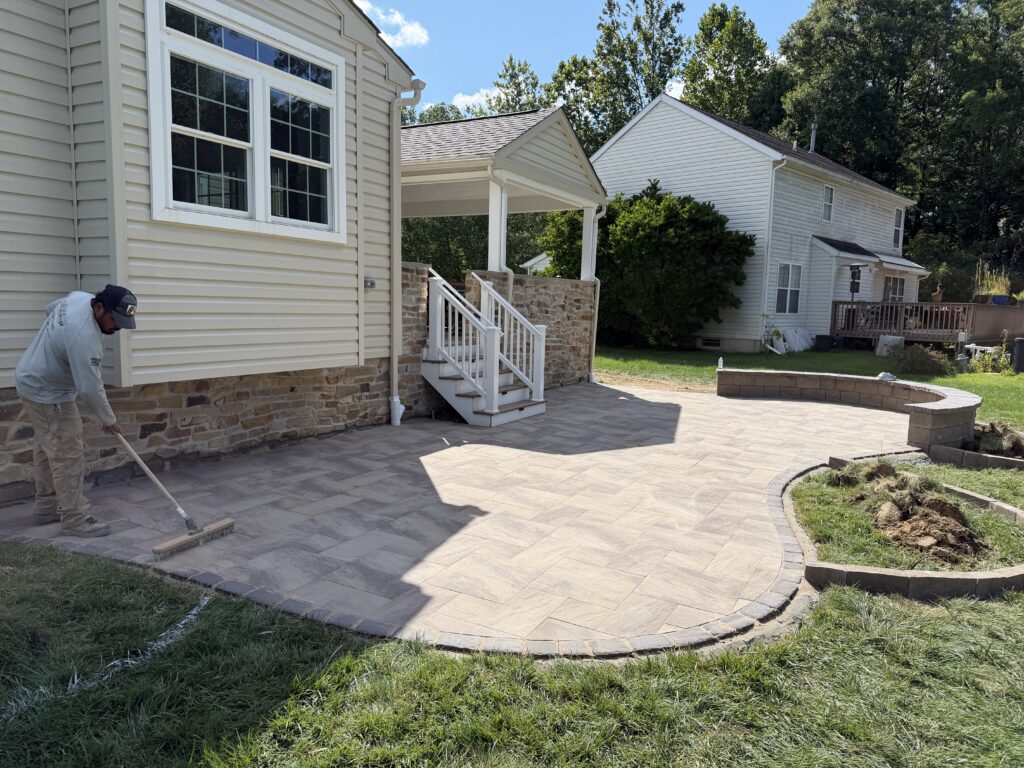
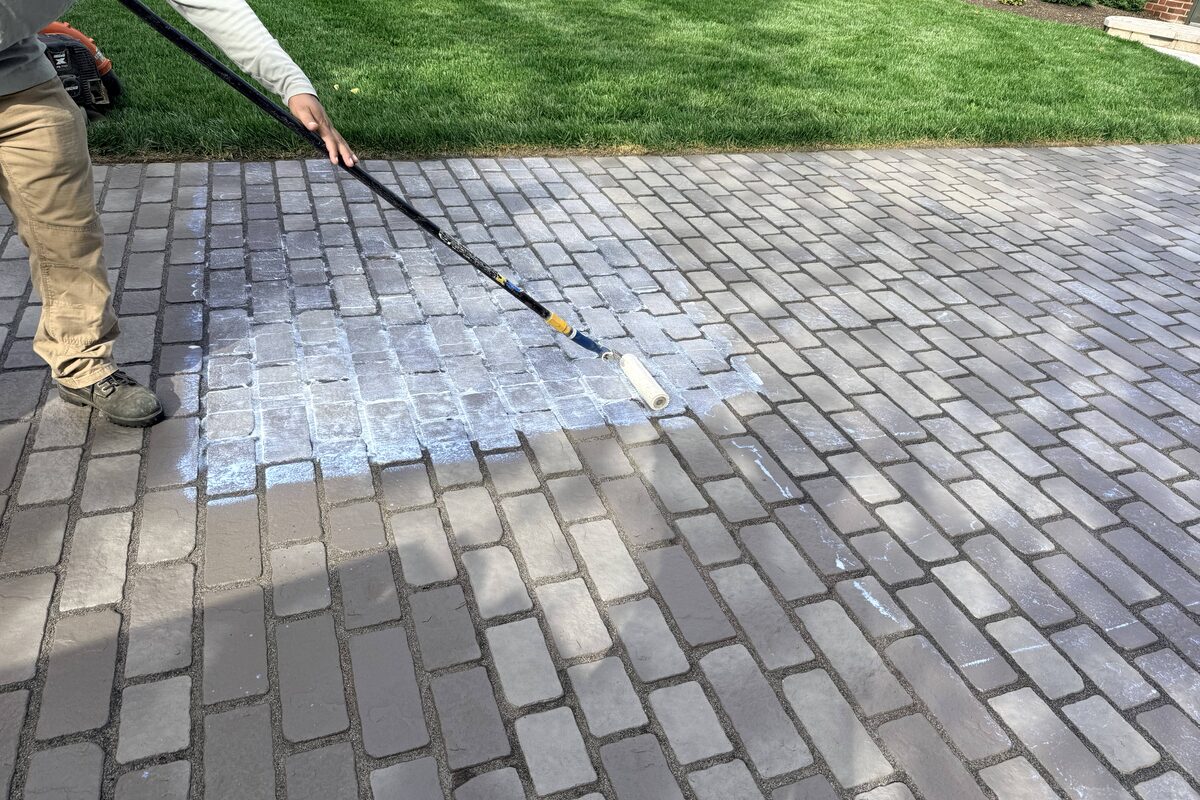
Protecting the pavers and sand joints will increase the longevity of the surface, reducing maintenance and keeping it looking brand new for years to come. Our crews return to all hardscape projects within 30-60 days to seal the hardscape surfaces.
The sealer not only protects the face of the pavers from stains, wear and weathering, but it also stabilizes the sand joints! The sand joints, while durable, are the first thing that should fail on a hardscape project, usually needing to be replenished on occasion. The sealer designed for sand stabilization will dramatically reduce failure and increase longevity from the sand joints.
A small detail, often overlooked, that totally changes the long term outlook of your hardscape!
7. The Right Materials
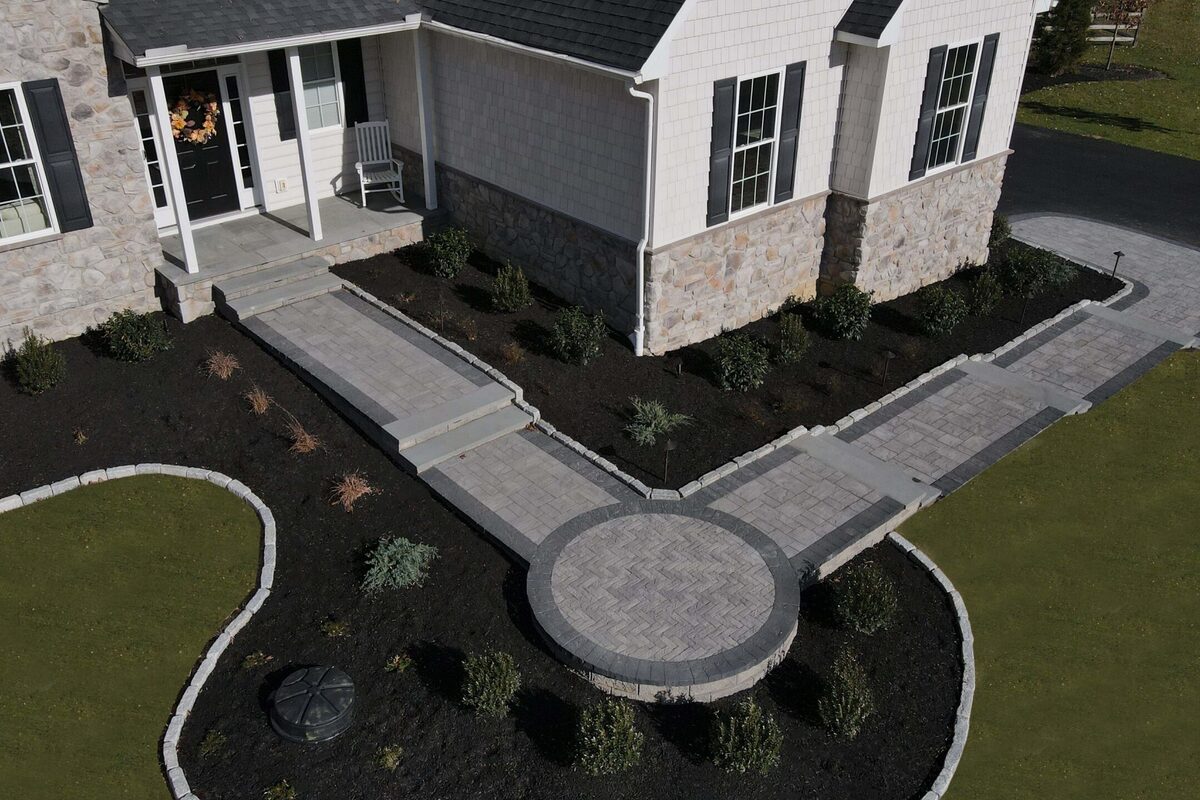
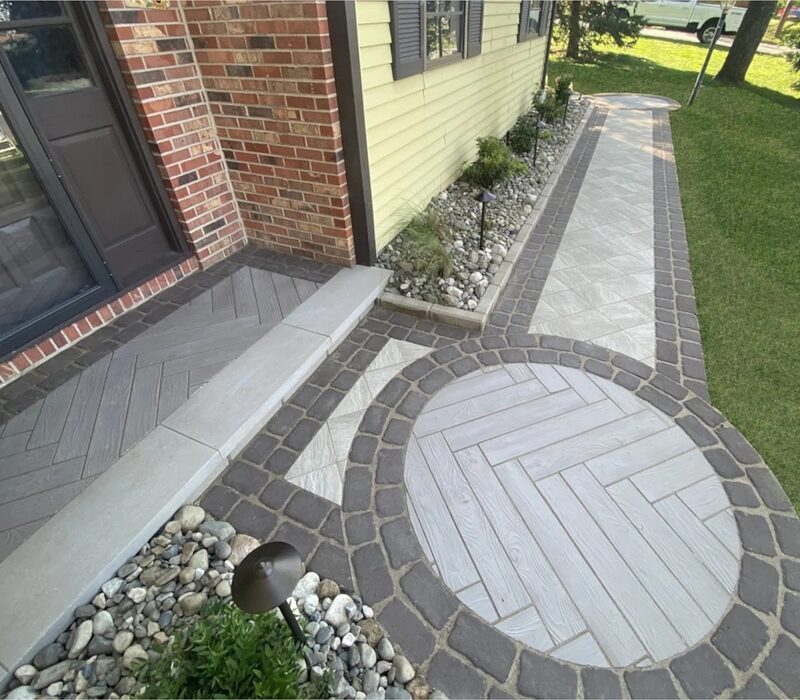
We can do everything right that you don’t see, but a poor quality paver can ruin the appearance of your hardscape. At Arborvine we are certified as Techo-Bloc Pro contractors, meaning we have been vetted & tested to guarantee that we build hardscapes that will stand the test of time. Techo-Bloc makes a wide range of products catering to all budgets, styles and applications.
With Arborvine, you get the best in process, craft & quality from the second the shovel hits the ground until the last drop of sealer is applied!
8. Design & Proposal
We believe in providing our clients with clear proposals and designs that provide a visual of exactly what our clients will get and outline the necessary steps & required materials to bring the space to life. In our proposals, no detail is left out & if you were to watch our team, you’d know line by line what they are doing and how they will do it!
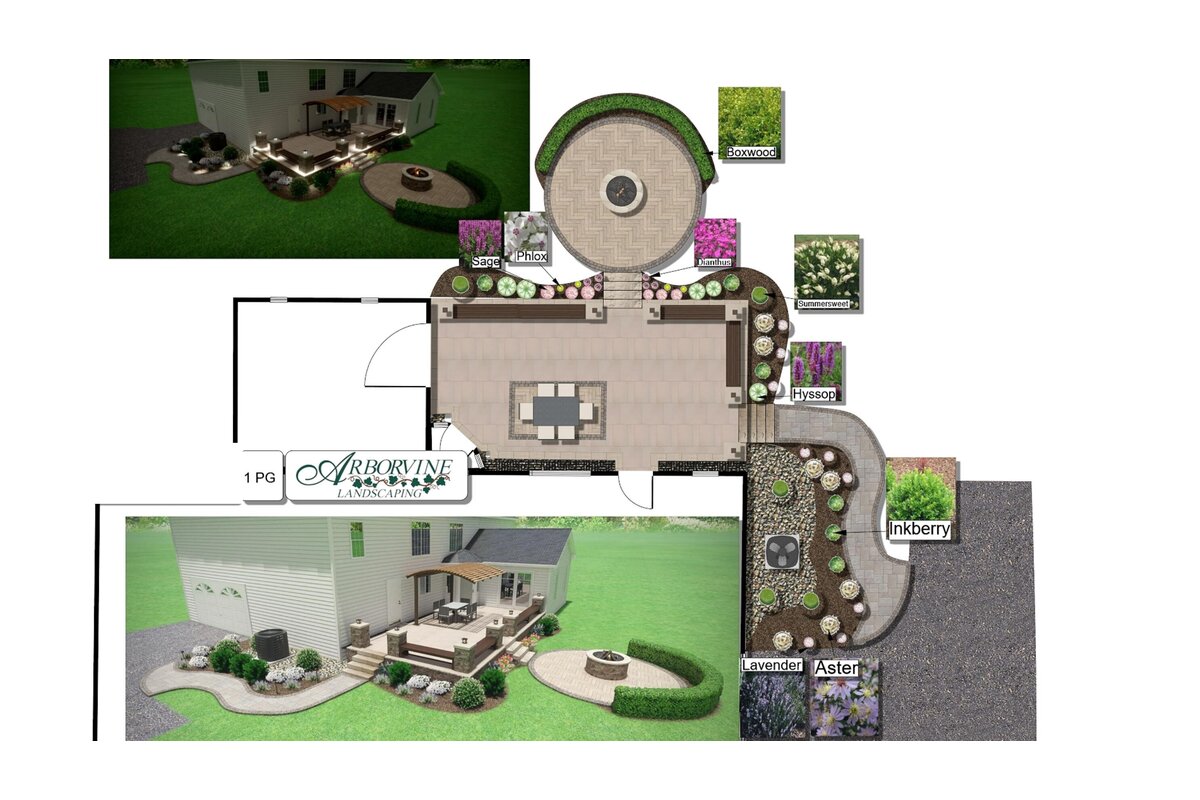
This process provides peace of mind and clarity to our clients, ensuring they are confident in their investment and know our attention to detail, creativity and thoroughness are involved in each step!
With Arborvine, we strive for excellence from our design to the construction of the space. An experience crafted by care, expertise and communication creates a proven process that keeps clients coming back!
FAQs
Your questions, answered.

Testimonials
-
I was very happy with my experience with Arbovine from the initial consultation through the completion of the job. They were very professional and did an excellent job! The work at our house included several things including new sod, new shrubs, and a lot of work with rock in the front and back of the yard with landscape edging. It all turned out great and I would certainly use them again for the next time we need work done!
Patrick HanleyWilmington, DE -
We worked with Greg and he was very responsive and helpful as we iterated over several different designs for our outdoor space. I was very impressed with the quality of workmanship during the project, and when an issue did arise Greg work with us to adjust the design as needed, I would highly recommend Greg and Arborvine and plan to use them again for my next project.
Robert CurlWilmington, DE -
Everything was done quickly and efficiently. They make sure that you are kept aware throughout the process.
Quideya ColemanBoothwyn PA -
We used Arborvine for a design/installation of front and side landscaping beds including new bed shape, sod, lighting and all new shrubs and perennials. 4 full day project. Excellent workmanship and punctual, pleasant and DETAILED landscaping workers. We will use for all future needs!
Kathleen LWilmington, DE -
We had a great experience with Arborvine. From the detailed suggestions we got from Kathy on what solutions would work best for what we needed, to Angel who worked so hard in our yard, to Erica in the office who made our project plan invoice quickly & easy to review, sign off on and pay. It was convenient, detailed & professional. Exactly what we had hoped for. Our yard is now well on its way to looking the way we’d like. I would highly recommend Arborvine if you want a personalized & professional landscaping job done. Big or small, they will be able to take care of what you need. We’ll be back for sure for the next phase!
Robyn PooreWilmington, DE -
We have used Arborvine for several years and they have a great team. We have one of the best yards and outdoor spaces in the neighborhood thanks to them. Erica is very responsive and helpful, and Greg, the owner, is attentive and always willing to discuss whatever comes up. Special shout out to Angel and Nathan who put down our mulch and did our landscaping bed clean up recently – they paid much attention to detail and did an amazing job!
Cynthia MarshallWilmington, DE -
I used Arborvine Landscaping this past Spring for major landscaping around my house. They leveled my front lawn and added sod, cleaned up and lined our flower beds with stone edging and removed dead wood, poison ivy, overgrown brush in the far back of the property and replaced it with arborvitaes and other plants. They also added a row of rocks to improve the water runoff and drainage. We are very happy with the results and we are still using this company. We get a lot of compliments from our neighbors about how nice our house looks.
Mike LevithanWilmington, DE -
Arborvine provided professional service and was prompt and courteous. Greg communicated thoughtfully and timely. I recommend Arborvine to all looking for high-quality landscaping.
Aaron and Stephanie DallaireWilmington, DE -
Arborvine did a great job for us both with yard grading and installing new shrubbery. When we had a problem with one of the trees, they came back to install stakes to help and when one arbor vitae died, our warranty kicked in and they replaced that tree for us. They are professional, responsive and a pleasure to work with. They also have a great newsletter. I highly recommend!
Wendy Turner,Wilmington, DE -
Greg and his team are a fantastic group. They do fantastic work, are responsive, courteous and take pride in their work. Our paver sidewalks were aging and coming apart on the sides. After Greg and the team cleaned them, reset the bricks and added a much needed edge, they look brand new again. I cannot thank him enough and for being great to work with. Not many companies out there today take the time to talk to the customer and listen to what they say. I would recommend him for any landscaping work you might need. Thanks again Greg.
Todd HeckerMiddletown, DE